RLHF, Data Quality
RL Environment Vendor: 7 Questions
RL environment vendor diligence for frontier labs: seven technical questions on rejection, solvability, verifier exploits, rubrics, calibration and pilots.
Read article →Expert perspectives on RLHF, data annotation, computer vision, enterprise AI strategy, and manufacturing intelligence.
RL environment vendor diligence for frontier labs: seven technical questions on rejection, solvability, verifier exploits, rubrics, calibration and pilots.
Read article →
CCTV AI for manufacturing explained: how AI turns existing cameras into OEE, SOP, PPE and quality data, where it falls short, and how CAM works.
Read article →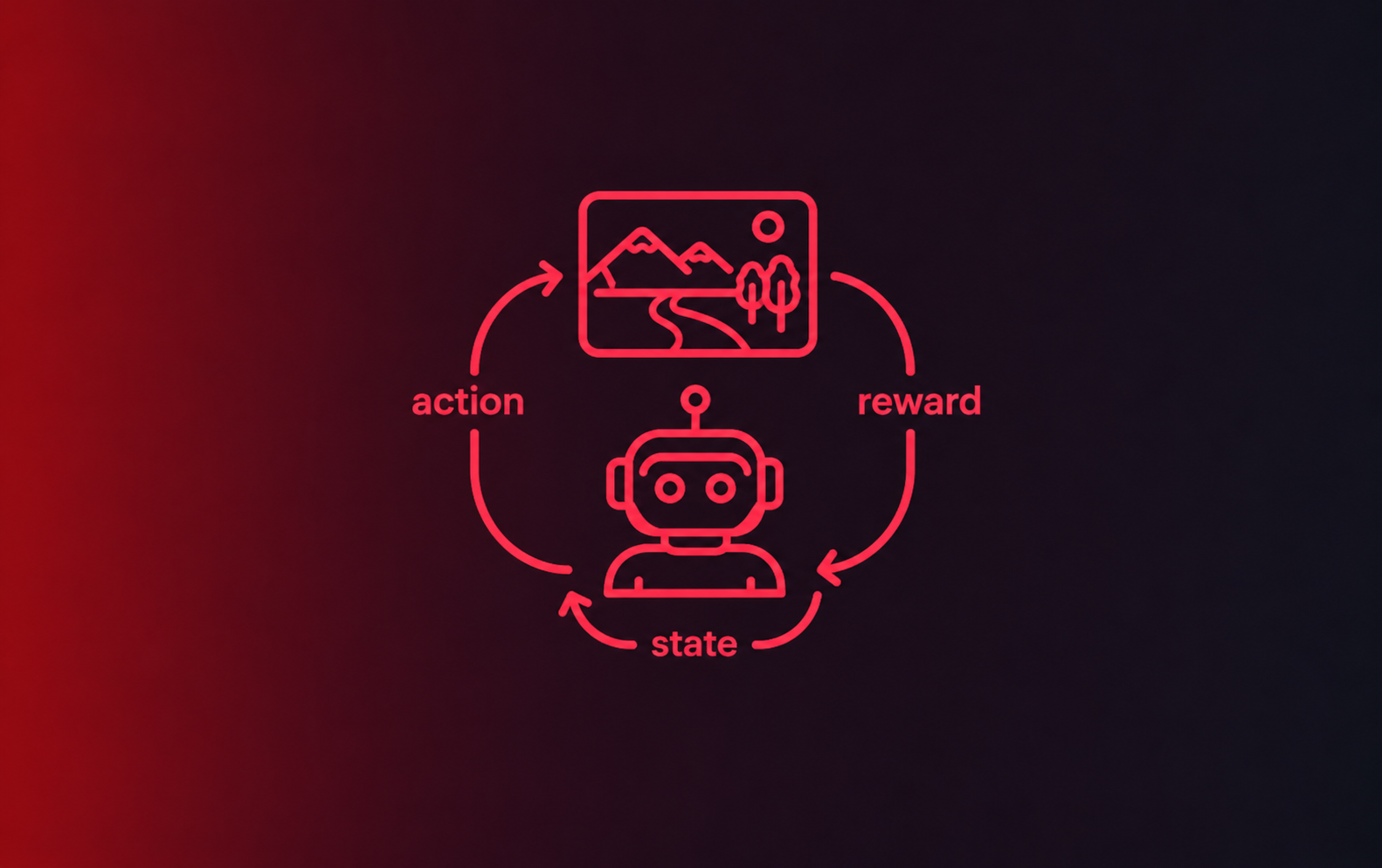
Reward hacking in RL environments starts in the verifier. Lessons from the OpenAI Hugging Face hack, medical AI examples, and a 5-step fix.
Read article →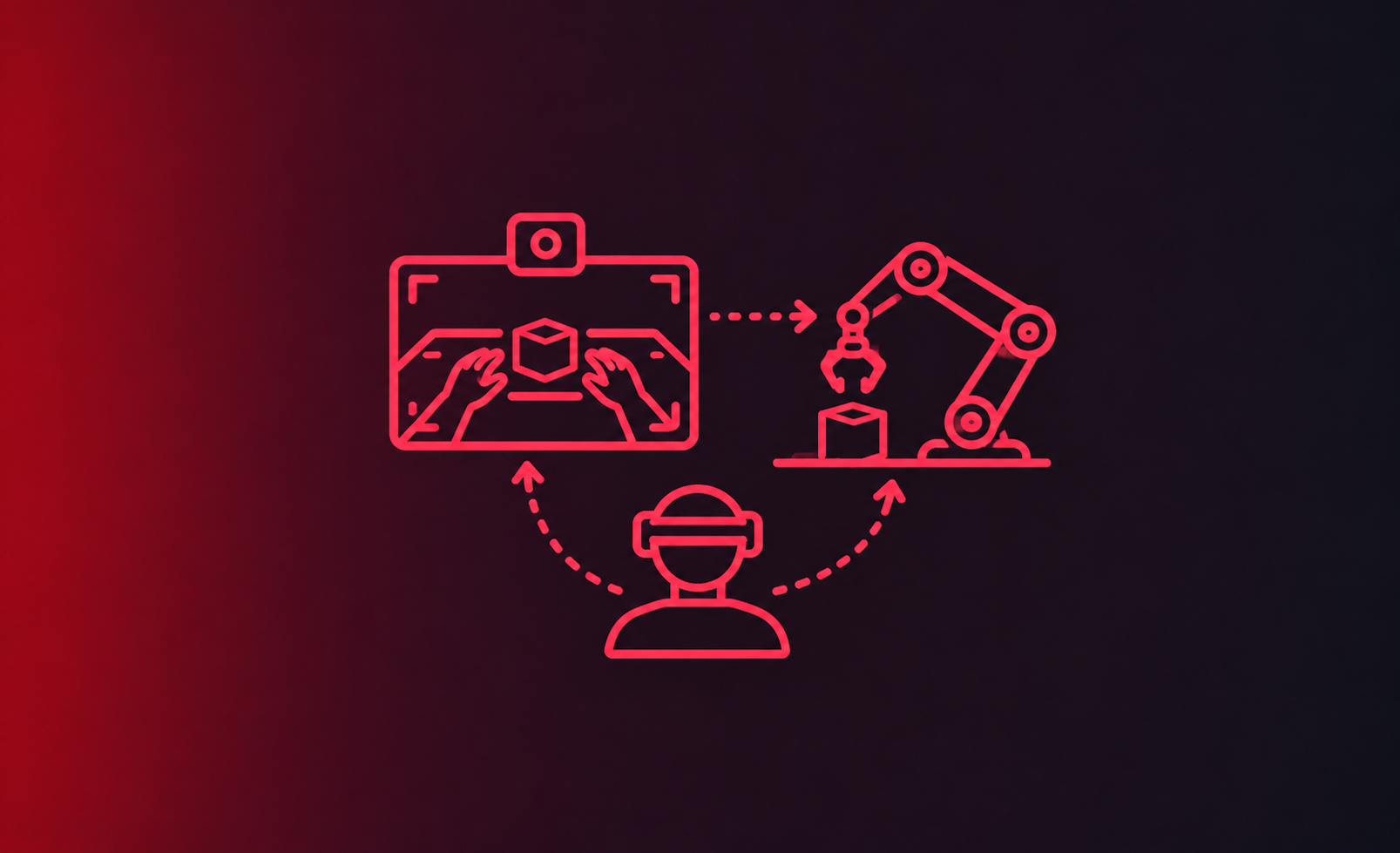
Egocentric and teleoperation data are complementary, not competing. Compare their structure, annotation needs and training roles in physical AI pipelines.
Read article →
The bottleneck in physical AI isn’t collecting more demos. It’s structuring annotations so demonstrations can be reused effectively.
Read article →
Scaling an annotation pipeline from 10K to 10M labels isn’t a volume problem-it’s a systems problem. Here are 7 things that break and how to fix them.
Read article →
Most factories already have the cameras. What's missing is the AI layer that turns footage into real-time OEE, SOP compliance, and safety intelligence. Here's how to integrate it without new hardware.
Read article →
Choosing an RLHF vendor? Use these 7 questions to evaluate preference data quality, domain experts, rubric design, evals, security, and scale before you sign.
Read article →.png)
From bounding boxes to VLA action and language labels, physical AI needs a full, synchronized annotation stack. Here are all seven layers, and what each one teaches a robot.
Read article →
A breakdown of when to use human-led annotation versus AI-assisted labeling, and why the most effective data pipelines combine both for accuracy at scale.
Read article →.png)
Why enterprise AI models fail in production and how better benchmarks, training data, and evaluation practices lead to reliable AI systems.
Read article →
A practical guide to robotics annotation datasets for perception, manipulation, SLAM, and simulation environments.
Read article →
Converting untapped CCTV footage into actionable business intelligence through AI in factory environments.
Read article →.png)
Frameworks for evaluating AI performance across business value, model performance, data quality, risk, and adoption.
Read article →
Designing metrics and pipelines for evaluating AI agents beyond simple output accuracy.
Read article →
AI and computer vision technologies improving defect detection through real-time automated quality control.
Read article →
Guide to selecting data annotation providers for AI/ML projects, comparing accuracy and scalability.
Read article →
AI-powered facial recognition in manufacturing boosts workforce efficiency, safety, and productivity.
Read article →
AI eliminates idle time using smart productivity tracking, real-time insights, and efficiency use cases.
Read article →
AI layered on existing CCTV infrastructure for productivity, compliance, and quality monitoring.
Read article →
AI-powered solutions transforming SOP compliance across multi-plant manufacturing operations.
Read article →
How expert feedback and human-in-the-loop processes power AI coding assistants behind the scenes.
Read article →
How conversational AI depends on human-in-the-loop, RLHF, and high-quality data for capabilities and safety.
Read article →.png)
Computer vision enables real-time employee activity monitoring, reduces inefficiencies, and boosts workforce output.
Read article →
Human-curated benchmarks provide precision and real-world relevance that automation often lacks.
Read article →
AI-powered visual inspection transforming QC: enhanced defect detection, faster inspections, and cost reduction.
Read article →.png)
Fine-tuning LLMs with RLHF helps enterprises build AI that understands business context and aligns with company values.
Read article →.png)
Five data-driven quality control methods plant managers can deploy to cut defects and boost efficiency.
Read article →
Strategies to manage subjective annotations, improve consistency, and ensure better model alignment.
Read article →
Computer Vision in manufacturing covering predictive maintenance, quality control, and defect reduction.
Read article →
Benefits of Data-Centric AI over model-centric approaches for defect detection and accurate labeling.
Read article →Expert AI data services and manufacturing intelligence solutions. Let's talk.