The Industry 4.0 Shift
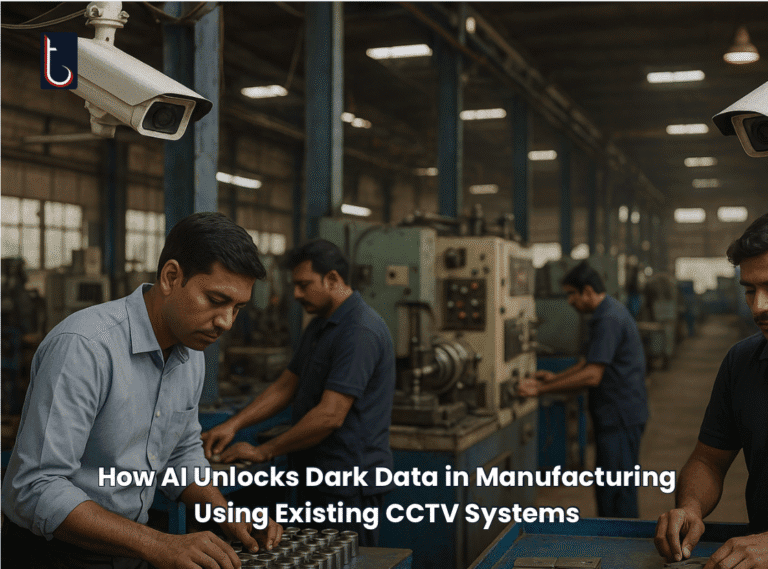
Manufacturing is undergoing a fundamental transformation. Where factories once relied on manual oversight, periodic audits, and reactive maintenance, today's leading operations are deploying AI systems that monitor, analyze, and optimize in real time. The convergence of affordable camera hardware, edge computing, and mature computer vision algorithms has made it possible to extract actionable intelligence from the factory floor without overhauling existing infrastructure.
The result is a shift from reactive operations to proactive management -- where problems are detected as they happen, patterns are identified before they become costly, and decisions are informed by continuous data rather than periodic snapshots. Here are four use cases that illustrate this shift most clearly.
Use Case 1: Quality Control and SOP Adherence
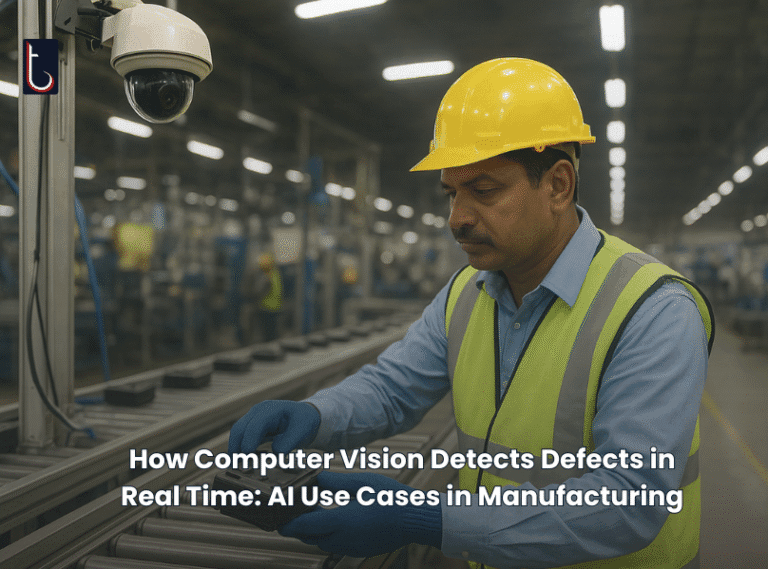
Traditional quality control relies on spot checks and end-of-line inspection. By the time a defect is discovered, an entire batch may already be compromised. AI-powered visual inspection changes the equation by examining every unit in real time, detecting surface defects, dimensional variances, and assembly errors with consistency that manual inspection cannot match.
Beyond defect detection, computer vision systems can monitor whether operators follow standard operating procedures at each workstation. The system recognizes correct action sequences -- picking up the right tool, performing steps in order, applying the correct technique -- and flags deviations immediately rather than waiting for an audit.
- Fewer escaped defects: Continuous inspection catches issues that sampling-based QC misses entirely.
- Consistent standards: AI applies the same criteria across every shift, every line, every plant.
- Audit-ready data: Every inspection is logged with timestamps, images, and classification results.
Use Case 2: Workstation Productivity Tracking
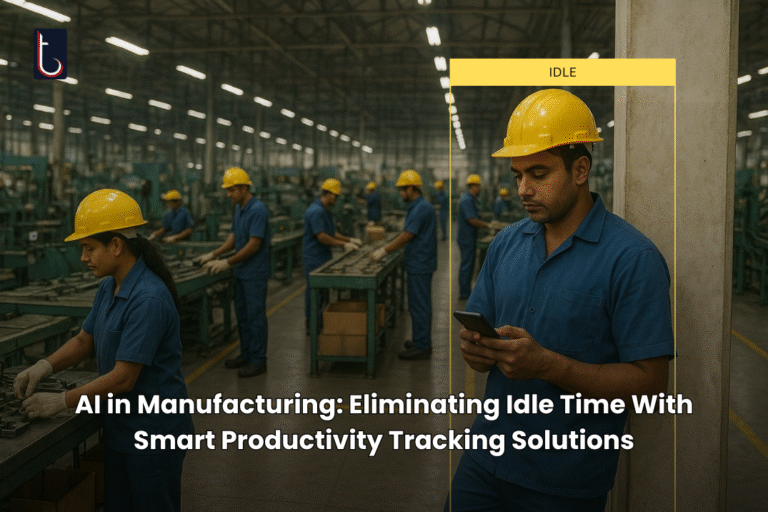
Most manufacturers have limited visibility into how time is actually spent on the factory floor. Traditional time studies are expensive, infrequent, and disruptive. AI-powered activity recognition provides continuous, non-invasive measurement of productive versus idle time at each workstation.
Using pose estimation and activity classification, computer vision systems can distinguish between active work, setup time, waiting periods, and unplanned breaks. This data flows into real-time dashboards that give supervisors immediate visibility into line performance and help identify bottlenecks before they cascade.
- Bottleneck identification: See exactly where throughput drops and why.
- Data-driven shift planning: Allocate resources based on actual productivity patterns rather than assumptions.
- Continuous improvement: Track the impact of process changes with objective before-and-after data.
Use Case 3: Facial Recognition and Attendance
Manual attendance systems -- whether paper-based, badge-swipe, or biometric fingerprint -- are vulnerable to buddy punching, forgotten entries, and administrative overhead. AI-powered facial recognition provides a frictionless, accurate alternative that captures attendance data automatically as workers enter the facility or approach their workstations.
Beyond basic attendance, facial recognition enables role-based access control for restricted areas, ensures that only trained and authorized personnel operate specific equipment, and provides granular data on workforce movement patterns throughout the facility.
- Eliminate buddy punching: Biometric verification that cannot be faked or shared.
- Accurate payroll data: Automated time records that reduce disputes and administrative burden.
- Restricted area enforcement: Real-time alerts when unauthorized personnel enter controlled zones.
Use Case 4: PPE Compliance Monitoring
Personal protective equipment compliance is a persistent challenge in manufacturing environments. Manual enforcement depends on supervisor vigilance, which is inherently inconsistent across shifts, areas, and fatigue levels. AI-powered monitoring provides continuous, automated detection of helmets, safety glasses, gloves, high-visibility vests, and other required equipment.
Computer vision models trained on facility-specific PPE requirements can monitor entry points, hazardous zones, and general work areas simultaneously. Non-compliance triggers immediate alerts to the nearest supervisor and is automatically logged for safety reporting.
- Reduced safety incidents: Proactive enforcement prevents injuries before they happen.
- Automated documentation: Complete compliance records for regulatory audits and insurance purposes.
- Zone-specific rules: Different PPE requirements for different areas, enforced automatically.
Why These Solutions Work Together
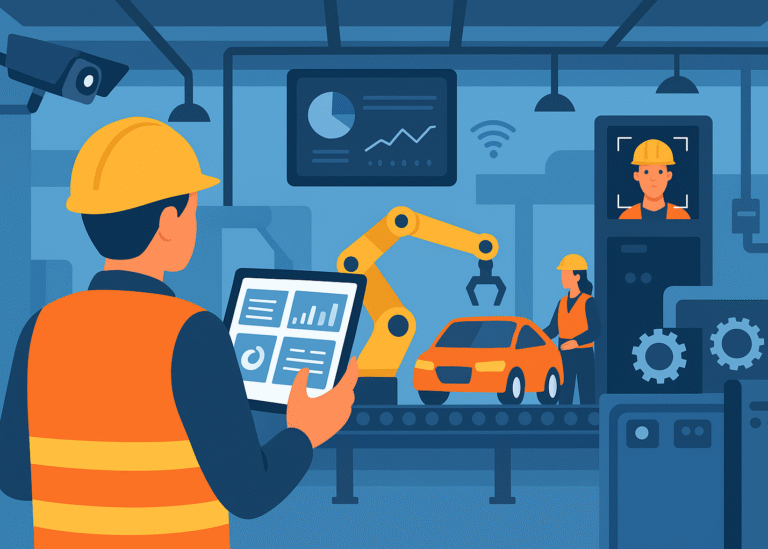
The real power of these four use cases emerges when they operate as an integrated system rather than isolated point solutions. The same camera infrastructure that monitors quality can track productivity. The facial recognition system that handles attendance also controls access. PPE compliance data correlates with safety incident records to identify high-risk patterns.
A unified manufacturing intelligence platform aggregates data from all four domains into a single dashboard, enabling plant managers to see the complete operational picture: who is working, whether they are equipped properly, what they are producing, and whether quality standards are being met. This cross-domain visibility is what distinguishes AI-enabled factories from those that have simply digitized their existing processes.
Getting Started
Manufacturers considering AI adoption should start with the use case that addresses their most pressing operational pain point. A facility struggling with defect rates should begin with quality inspection. A plant with high idle time should start with productivity tracking. The infrastructure investments -- cameras, edge devices, networking -- are largely shared across use cases, making it straightforward to expand once the initial deployment proves its value.
The key is to start small, measure results rigorously, and scale based on demonstrated ROI. The technology is mature, the hardware is affordable, and the operational gains are well-documented across industries and geographies.